


The Real Advantages of Meditation You Should Know
14 Jul 2025
Midlife can be a lovely and new phase of life. This transitional time may also bring up unique challenges for many. With so many changes taking place in one’s life, it’s possible to feel stressed which could even cause anxiety, loss of focus and other mental and physical issues. Most adults during this time seek effective ways to manage their emotions and meditation often comes up as a powerful mindfulness tool. In this article, we’ll take you through the basics of meditation and how you can easily add it to your routine.
What is Meditation?
Meditation is a traditional mindfulness practice that can be traced back to the ancient Vedic texts in India. Part of the Ayurvedic system of health, ‘meditation’ is a term that loosely refers to many different techniques to achieve mental focus. According to the Vedic texts, the goal of meditation is to connect us with our inner selves.
Meditation as a practice involves focusing your mind on a particular object, thought, or activity to achieve mental clarity and emotional calm. Whether it's through mindfulness meditation, guided meditation, or the movement-based meditation of yoga, the core goal remains the same: to foster a state of peaceful awareness. Given its positive impact on both mind and body, the importance of meditation continues to grow in today’s fast-paced world.
Parts Of Meditation
To truly appreciate meditation, we need to understand its key components. Each part plays a role in helping you stay present, focused, and grounded.
1. Breath Awareness
Breathing is at the heart of most meditation practices. Focusing on your breath anchors your mind and helps it stay in the present. This is especially useful in guided meditation for beginners, where instructors often start with breathwork to help settle the mind.
2. Focused Attention
This involves directing your attention to a single object, sound, or thought. It can be a mantra, a candle flame, or even a simple word. For those exploring meditation for beginners, this practice trains your mind to avoid distractions and enhances concentration over time.
3. Mindfulness and Observation
Mindfulness encourages you to observe your thoughts without judgment. Instead of getting caught up in worries or plans, you simply let the thoughts pass, acknowledging them but not engaging. This is one of the most effective meditation advantages for emotional clarity.
4. Body Awareness
Some practices involve scanning the body for sensations or tension. This cultivates a deep sense of connection between the mind and body, promoting relaxation and presence.
5. Acceptance and Letting Go
A vital part of any session is learning to accept thoughts and feelings as they are. By letting go of the need to control or change them, meditation becomes a safe space to process emotions, a crucial aspect of meditation for stress relief.
Benefits of Practising Meditation in Your Midlife
Some important health benefits of mediating in your midlife are:
- May reduce stress and anxiety
- May reduce the chances of depression
- Decreases pain
- May boost memory and efficiency
- May reduce blood pressure, heart rate, cholesterol and cortisol (the stress hormone)
- Increase melatonin (the sleep hormone), making it a helpful practice for those looking for natural sleeping tips
- Increases blood flow to the brain
How Does Meditation Relieve Stress?
Meditation helps you slow down and feel more in control during stressful times. It calms your breathing, relaxes your body, and gives your mind a break from constant thinking. One of the key benefits of meditation is that it helps you respond more calmly to daily challenges. Regular practice supports better sleep, builds emotional balance, and encourages healthy habits. That’s why the importance of meditation in stress relief is hard to ignore; it helps you manage pressure without feeling overwhelmed.
Beginner-Friendly Types of Meditation
To start your meditation journey, these are the three simple types of meditation techniques you can try:
1. Mindfulness Meditation
A widely practised form of meditation for stress relief, mindfulness meditation helps you stay present and aware without judgment. One easy way to begin is with a basic breathing exercise: sit comfortably, close your eyes, and take slow, deep breaths. Focus on the sensation of your breath entering and leaving your body. When your mind wanders, gently bring it back to your breath.
2. Guided Meditation
Having someone guide you during meditation can be extremely helpful for those starting out. These are typically available on apps and recordings and provide step-by-step instructions on how you can focus on various aspects such as stress reduction, sleep etc.
3. Walking Meditation
Yes, it’s possible to meditate while walking too. This practice involves walking slowly and deliberately, paying close attention to the sensations in your feet and legs. It combines physical movement with mindfulness, making it a versatile option for many.
How To Meditate: A Beginner's Guide to Mindfulness Meditation
Mindfulness meditation is a great way to begin your meditation journey and experience the many benefits of meditation firsthand. Follow these steps to start the habit of mindfulness meditation today:
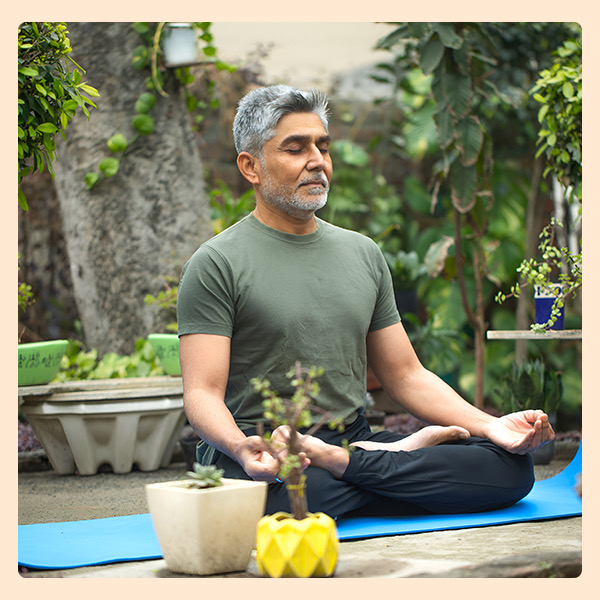
1. Find a Quiet Space
When trying to calm your mind, it’s important to find a quiet and comfortable space where you will not be disturbed or distracted. Find the right environment that is conducive to meditation to help you regain focus and connect with your inner self.
2. Choose a Time
As a beginner, you don’t have to put pressure on yourself by setting too high goal. You can aim to start with 10-20 minutes of meditation daily and increase the time gradually as you feel more comfortable. Trying a guided meditation for beginners can make it easier to stay on track in the early stages. The key is to remain consistent, so try to meditate at a set hour daily to build a solid habit. Setting aside some time at the beginning of your day to meditate can be a good way of setting the tone for the rest of the day!
3. Find a Comfortable Posture
You can meditate sitting, lying down, or even walking. Depending on the type of technique you want to practise, find a posture that you can maintain comfortably for the duration of your session.
4. Focus on Your Breath
Breathwork is so important when it comes to mediation. Start by taking deep, slow breaths. Try to focus on the sensation of air entering your nose and leaving it. Hold your breath before gently leaving it out. This act of concentrating on your breath could help you stay rooted in the present moment and may calm you down.
5. Observe Your Thoughts
Inevitably, thoughts will arise. Instead of trying to suppress them, acknowledge them, and gently bring your focus back to your breath. One way of doing so is by bringing your focus to your other senses, such as touch, taste, and smell. Then, slowly put your focus on breathing again. This practice helps train your mind to stay present and is one of the key meditation advantages that support mental clarity and emotional balance.
6. Be Patient and Kind to Yourself
Meditation is a practice, and like any new habit, it takes time to develop. Be patient with yourself and understand that each session will be different. The key is to remain consistent and compassionate towards your progress.
Conclusion
Meditation offers powerful benefits like reduced stress, better sleep, sharper focus, and improved emotional balance. Starting this habit in midlife can bring lasting improvements to your overall well-being. With simple steps and various meditation styles to explore, it’s easy to find a practice that suits your lifestyle
For more on healthy living and ageing, follow Right Shift. Explore the Shift Shop for wellness-friendly picks like Millet Oats, Millet Masala Oats, Jaggery Cookies, Jaggery Ragi Cookies, and Jaggery Oats Cookies.
Use our health score calculator to check where you stand and try our free meal plan to build a personalized plan for better health. So try these now and make the right shift today!
FAQs
