


Best Ways to Boost Your Protein Intake After 40 for Stronger Muscles & Health
11 Jun 2025
One nutrient that holds a profound significance to our muscle strength and function is protein. It’s the core building block of our body and is associated with a variety of benefits such as supporting muscle mass, promoting immune function, boosting energy, and supporting vision, hormones and enzymes. It’s a macronutrient that our bodies require in large amounts for our growth and development.
Many Indian men and women in their 40s and beyond may not realise that their daily protein intake often falls short of the recommended dietary allowance (RDA). So, let's delve into understanding how much protein we need and how we can easily incorporate it into our diet.
How Much Protein is Required Per Day?
Individual protein needs can vary based on physical activity level, overall health, and other factors. However, as a general rule, you can follow ICMR’s guidelines. According to the Indian Council of Medical Research, the required daily amount of protein adults should have is 0.83 g per kg of body weight. This means that if you are a woman weighing 58 kgs, you need 58 times 0.83 which is nearly 48 g of protein daily.
Consuming adequate protein can help maintain muscle mass, improve bone health , and boost metabolism.ncluding the best high protein foods in your diet ensures optimal health as you age. Adding natural sources of protein like whole grains and seeds to your meals can further help prevent age-related muscle loss.
Easy and Effective 8 Ways to Increase Your Daily Protein Intake
1. Include More Whole Grains
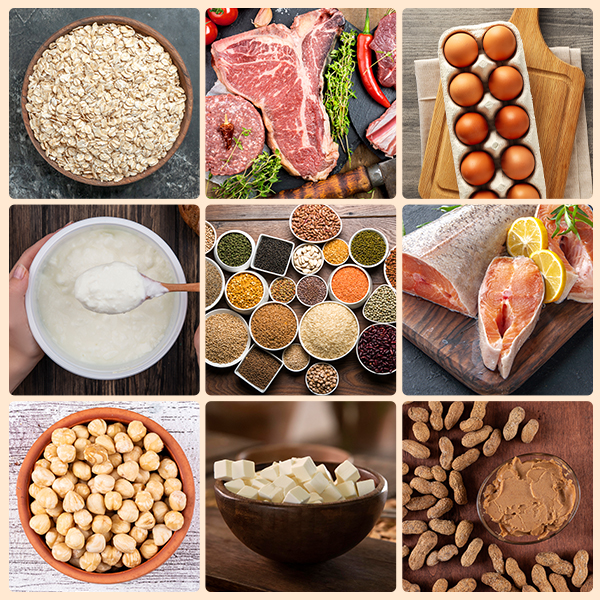
Whole grains like amaranth, buckwheat, oats, ragi, jowar, and quinoa are excellent protein-rich foods. They can be used to make rotis, cheelas, and dosas, offering a delicious way to boost your high-protein diet naturally.
Protein Content
100 g of oats provides approximately 13 g of protein, making it one of the best sources of protein for daily meals.
2. Eat Protein First
A recent study found that eating vegetables and high-protein foods before carbs can lower post-meal glucose and insulin levels in obese and diabetic patients. Prioritising protein rich foods at the start of a meal can also keep you fuller for longer, aiding in portion control and supporting healthy weight loss
Protein Content
100 g of spinach provides approximately 2.9 g of protein, making it one of the best high-protein foods among vegetables.
3. Consider Having Eggs for Breakfast
Did you know that eggs contain nearly 13 g of protein per 100g? That’s why they’re a popular source of protein and make for the perfect item to have in the morning. Consider ditching your regular breakfast dishes like parathas or rice dosas for high-protein foods like eggs that can help you stay full longer and support a high-protein diet for overall well-being.
Protein Content
One large egg (50 g) provides approximately 6.3 g of protein, making it one of the best sources of protein for snacking.
4. Snack on Protein
If you’re worried about not getting enough protein through your daily meals, you can try high protein snacks like nuts, Greek yoghurt, soaked beans, legumes, and sprouts to meet your daily goals. These foods that have high protein are not only nutritious but also better alternatives to fried foods, supporting a high protein diet.
You can also make healthy weight loss recipes by incorporating these ingredients into homemade snacks or salads for a wholesome and satisfying option.
Protein Content
100 g of almonds provides approximately 18.4 g of protein, making them one of the foods with the highest protein per 100 g.
5. Include Protein in Every Meal
Aim to incorporate protein diet foods in your meals, ensuring a steady intake throughout the day. Stimulating a higher protein intake at breakfast and lunch might represent a promising nutritional strategy to optimise the amount of protein per meal without compromising total daily protein intake.Understanding what protein rich foods are and including them in your routine can support muscle maintenance and overall health.
Protein Content
100 g of tofu provides approximately 30.7 g of protein, making it a great plant-based option for meeting daily protein needs.
6. Consume More Legumes
Lentils, chickpeas, and beans are high-protein food sources, packed with fibre and nutrients. Have them with brown rice or rotis to create balanced meals that contribute to a high protein Indian diet while keeping you full for longer.
Protein Content
100 g of cooked chickpeas contains around 18.7 g of protein, making them a nutritious and protein-rich addition to meals.
7. Add Peanut Butter to Your Bread
Did you know that peanut butter is not only a source of healthy fats but also a high-protein snack? It promotes the feeling of fullness and can be excellent if you want to lose weight too. Add it to your bread in the morning for a tasty and protein-filled breakfast!
Protein Content
100 g of peanut butter provides approximately 25 g of protein, making it an ideal choice for those looking at how to increase protein intake.
8.Prioritise Fish, Chicken, and Cottage Cheese
As you might already know, the best sources of protein are animal proteins. This means chicken and other meats, fish, eggs etc. However, for vegetarians, foods that have high protein such as cottage cheese (paneer) and tofu offer excellent alternatives. These best protein foods are lean and full of essential nutrients.
Protein Content
If you're wondering what food contains the highest amount of protein, chicken tops the list. 100 g of grilled chicken breast contains around 21.8 g of protein, while 100 g of paneer provides approximately 18 g of protein, making them excellent sources of protein for a balanced diet.
Best Protein-Rich Foods to Include in Your Diet
Metabolism and overall health can be achieved by having a proper diet, but to aid muscle strength, incorporating protein-rich foods is essential. Let’s take a look at some protein-rich foods.
Animal Based Protein Sources
For those seeking to obtain protein, the best protein-rich foods are chicken, fish, and eggs. They are not only protein-rich but also help in muscle building and satiety. A well-balanced diet can be achieved from these foods.
Vegetarian Protein Sources
Vegetarians can gain protein from lentils, paneer, and tofu. These foods not only provide essential nutrients but also help in maintaining energy levels and muscle strength.
Safety Tips to Increase Daily Protein Intake
Having more than 2g/kg protein of body weight could be harmful for the body. Hence, knowing how much protein to consume is very important. Before making any significant changes to your diet, it's advisable to consult a healthcare professional. You should also check with your doctor before starting on any supplements or powders to ensure that they are right for you. A healthcare professional can guide you on the safest way to increase your daily protein intake, considering your health conditions, if any.
Conclusion
Protein is an essential nutrient in keeping your muscles and functioning smooth. Meeting your daily requirement of protein is important at all stages of life, but especially in your midlife as you want to look for ways to increase your strength and prevent age-related muscle loss. A few simple and effective ways you can add more protein to your life is by choosing a protein item for every meal, snacking on high-protein diet foods such as nuts and seeds, greek yoghurt, consuming more whole grains and legumes etc. Follow these 9 tricks and up your protein game at the earliest!
For more such articles on food, health and ageing, explore Right Shift . We champion healthy ageing through good diets and exercise and push those in their mid-life to prioritise themselves and their health. You can try our health score calculator to learn more about your current status and try our free meal plans to get started on your health journey!
FAQs
