


Cranberries 101: Nutrition Facts and Health Benefits
07 Aug 2025
What Are Cranberries?
Deep red, tiny, and delicious, cranberries are vibrant fruits that are loved by all. Commonly used in juices, sauces, desserts, and dried forms in cereal bars or cheeses, they offer a distinctive taste and wide culinary appeal. Rich in antioxidants and native to North America, these berries are typically harvested from September to December.
Historically valued for their use in food and medicine by Native North Americans, cranberries continue to hold a special place in modern diets. With impressive cranberry nutrition and a unique flavour, they have gained popularity in India too. As we explore the many benefits of eating cranberries, you'll discover why they deserve a place in your healthy lifestyle.
Nutritional Value of Cranberries
The American Cranberry contains a host of nutrients and phytochemicals that can be linked to several health benefits. Cranberries contain antioxidants, especially Vitamin C and flavonoids. They also contain Vitamin E, K, Manganese, and dietary fibre in significant amounts while being low in fat and calories. They also contain the simplest form of sugar, glucose, which is the natural fuel of the body. Dried cranberries tend to be sweeter but have a similar nutritional profile as well. This overall cranberry nutrition value makes them a smart addition to any balanced diet.
Health Benefits of Cranberries
Now that we know the amazing amount of nutrition cranberries hold, let’s understand some of the main cranberry juice benefits. Here are the top advantages of cranberry:
1. Urinary Tract Health
Urinary tract infections are typically treated with antibiotics; however, this can sometimes cause antibiotic resistance in the body. Cranberries can be a type of management technique for Urinary tract infections (UTIs). These berries contain polyphenols and other complex compounds that have antimicrobial properties that can effectively prevent urinary infections. Among known cranberry benefits, their role in supporting urinary tract health stands out the most.
2. Heart Health
Studies done on cranberries have found positive links between the consumption of these berries and better cardiovascular health. These berries may lower bad cholesterol and improve good cholesterol and lipid profiles, which can boost cardiovascular health. These berries have also been linked to reducing blood pressure and decreasing the risk of diabetes. These heart friendly effects are part of the broader cranberries nutrition benefits supported by research. However, more studies, particularly human studies, are required to establish this connection.
3. Digestive Health
The high fibre and antioxidant content contribute to the overall nutritional value in cranberries, making them great for gut health. They may help prevent constipation and maintain a healthy digestive tract. Additionally, cranberries help introduce good bacteria in the digestive system and reduce the bad bacteria in the colon, which can improve overall digestive health.
4. Reduces Inflammation
The high amounts of antioxidants in cranberries can help reduce inflammation in the body. They also help lower the risk of chronic conditions, so it’s good to have a healthy serving of cranberries often. This is one of the key cranberry benefits that support overall wellness.
How to Eat Cranberries
There are plenty of easy ways to add cranberries to your meals, whether fresh, dried, or juiced. With their rich cranberry nutrition value, they make a tasty and healthy addition to your daily diet.
1. Fresh Cranberries
Add fresh cranberries to salads, chutneys, or sauces for a tangy twist. Their cranberry nutrition content makes them a great choice for those looking to eat clean. Fresh cranberries are also among the best fruits for digestion, supporting gut health when included regularly in meals.
2. Dried Cranberries
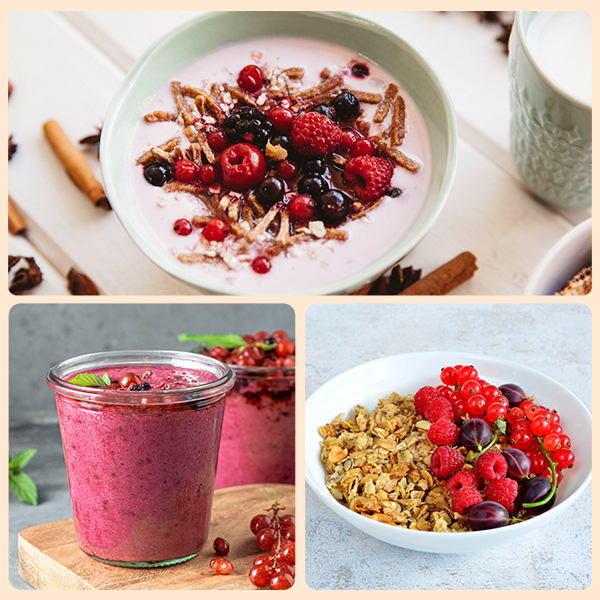
Toss dried cranberries into your morning oatmeal, muesli, or Greek yoghurt for a nutritious and tasty start to your day. The benefit of dried cranberries lies in their convenience and flavour, they are a smart pick for daily snacking.
3. Sugared Cranberries
Perfect for festive treats or as a topping for desserts, sugared cranberries are both pretty and flavourful. While they are a sweeter version, they still offer some cranberries fruit nutrition along with a dose of antioxidants. Be mindful of the calorie content when consuming them in larger quantities.
4. Cranberry Juice
A glass of fresh cranberry juice is refreshing and rich in cranberry nutrition. It’s also one of the top diabetic fruits when consumed unsweetened in moderation, helping manage sugar levels while providing key nutrients.
Conclusion
Cranberries aren’t just tasty, they’re packed with powerful nutrients that support heart, gut, and immune health. Thanks to their impressive cranberries nutrition benefits, they make a smart addition to your daily diet. Pair them with low calorie Indian food options like Right Shift’s Jaggery Ragi Cookies, Jaggery Oats Cookies, or Millet Oatmeal for wholesome snacking. Don’t forget to check out our free health score calculator and customised meal plan tool to get started on your wellness journey today!
FAQs
