


Probiotics vs Prebiotics: What Your Gut Really Needs
18 Jun 2025
On the journey of understanding how to unlock good health, the terms "prebiotics" and "probiotics" frequently surface. It can be confusing to differentiate between the two when they sound so similar and play key roles in maintaining our gut health. Understanding the difference between prebiotics and probiotics can help you make informed dietary choices.
In this article, we will dive deep into prebiotics vs probiotics addressing their benefits, sources, and why both are crucial as we age.
What are Probiotics?
Probiotics are live beneficial bacteria found in foods. When ingested in adequate amounts, they can provide health benefits such as maintaining a balanced gut microbiome, which is crucial for various bodily functions.
How Probiotics Work
Probiotics work by colonising the gut and limiting the presence of harmful bacteria. This creates a balanced and healthy environment conducive to optimum well-being. They may also affect and influence some enzymes in the body. However, for probiotics to be effective, they must be strain-specific, taken in safe quantities, and capable of surviving the harsh conditions of the gastrointestinal tract.
Benefits of Probiotics
Probiotics offer powerful support for digestive health by restoring the balance of good bacteria in your gut. They can ease bloating, improve nutrient absorption, and strengthen immunity. The advantages of probiotics go beyond digestion, they also support immune health and recovery after antibiotics.
1. Digestive Health
Probiotics are well-known for their role in improving digestive health. Probiotics for gut health may help alleviate conditions like irritable bowel syndrome (IBS), diarrhoea, and constipation.
2. Immune System Support
Many studies have found a link between probiotics and the strengthening and enhancement of immune function. This can lead to a reduced risk of infections and improved immune responses, highlighting the advantages of probiotics in supporting overall health.
3. Boosts Oral Health
Many studies have found a link between probiotics and the strengthening and enhancement of immune function. This can lead to a reduced risk of infections and improved immune responses, highlighting the advantages of probiotics in supporting overall health.
Other Potential Benefits
Emerging research suggests that probiotics may also benefit skin health, weight management, and even mental health by influencing the gut-brain axis. These findings add to the growing understanding of probiotics and prebiotics benefits beyond digestion.
Sources of Probiotics
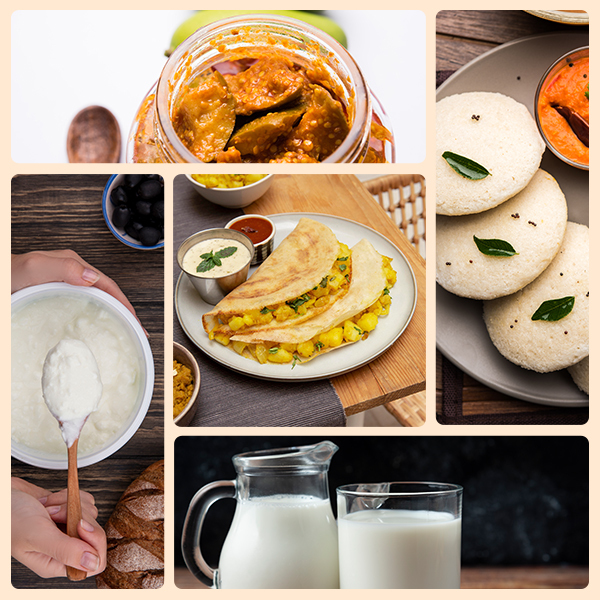
- Probiotic curd
- Buttermilk
- Idli
- Dosa
- Pickles
What are Prebiotics?
Prebiotics are types of fibre that act as "food" for the good bacteria in our gut. Unlike probiotics, prebiotics are not live bacteria but serve as nourishment for them. Once gut bacteria feed on them, degradation products that remain are short-chain fatty acids which get mixed with the blood and affect the gastrointestinal tract along with other far-off organs. The two main groups of prebiotics are Fructo-oligosaccharides and galacto-oligosaccharides.
How Prebiotics Work
Prebiotics work by fostering a favourable environment for probiotics to thrive and multiply. They pass through the digestive tract undigested until they reach the colon, where they are fermented by the gut bacteria.
Benefits of Prebiotics
Some of the key prebiotics benefits include improved digestion, enhanced mineral absorption, and better blood sugar control. Over time, they help build a more resilient gut environment.
1. Improved Digestion and Regularity
Prebiotics help in maintaining regular bowel movements and preventing constipation by promoting the growth of beneficial bacteria. They can alter the bacteria in the gut and may reduce the risk of irritable bowel syndrome and Crohn’s disease.
2. Support Immune function
By increasing the number of protective microorganisms in the body, prebiotics can support and strengthen immune function. It can help fight off infections, fever, diarrhoea etc.
3. Boost Brain Health
Some studies have found a positive connection between prebiotic intake and memory improvement in middle-aged adults. It may also improve general cognition, mood and learning abilities.
Other Potential Benefits
Some studies suggest that prebiotics can help in regulating cholesterol levels, thereby aiding in supporting heart health.
Sources of Prebiotics
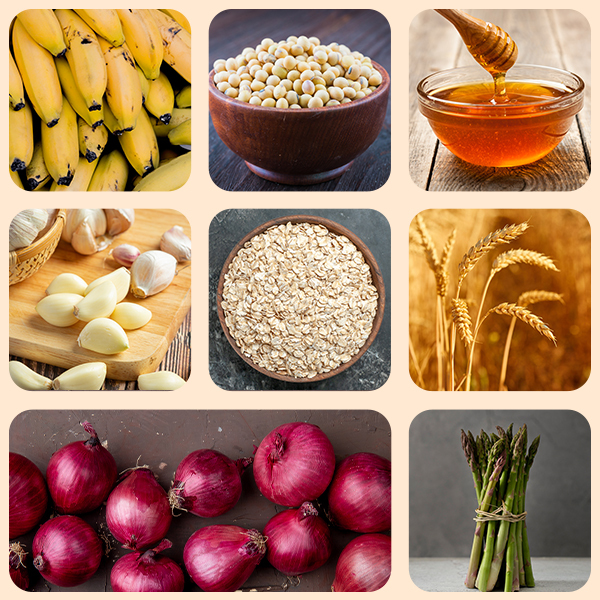
- Oats
- Onions
- Garlic
- Wheat
- Honey
- Bananas
- Asparagus
- Soybean
Key Differences Between Prebiotics and Probiotics
Our final verdict on the prebiotics vs probiotics debate:
Definition
The primary difference between prebiotics and probiotics is that probiotics are live bacteria that add to the population of good bacteria in the gut and prebiotics, on the other hand, are fibres that serve as food for these bacteria, helping them grow and thrive. This makes them different, however, their function remains similar, which is to boost gut health, prevent gastrointestinal issues and support overall health.
Different Sources
The dietary sources for prebiotics and probiotics differ significantly. Probiotics are found in fermented foods like curd, kefir, and sauerkraut, while prebiotics are abundant in high-fibre foods like onions, garlic, and bananas.
Health Benefits
While both prebiotics and probiotics contribute to gut health, their benefits are complementary. Probiotics directly add beneficial bacteria to the gut, aiding in digestion and immune function.
Prebiotics support these bacteria, ensuring they flourish and continue to provide health benefits. Science suggests that a combination of both is ideal for good gut health!
Why You Need Both Prebiotics and Probiotics After 40
As we age, our gut microbiome also goes through modifications, leading to potential imbalances. This may possibly affect our digestive system, immune function and brain health. That’s why it’s important to keep your gut happy and healthy by having healthy and nutritious foods that contain the goodness of prebiotics and probiotics. They may help maintain a balanced gut microbiome, thereby supporting these aspects of health.
How Prebiotics and Probiotics Fight the Good Fight
Your gut is home to trillions of bacteria, both good and bad. Maintaining balance is essential, and that’s where prebiotics and probiotics step in. Prebiotics are dietary fibres that feed the friendly bacteria in your gut. Meanwhile, probiotics introduce live beneficial bacteria that help restore balance, especially after illness or antibiotic use.
Understanding the difference between prebiotic and probiotic is key. While prebiotics support your internal ecosystem, probiotics are the helpful microorganisms themselves. Including oats and other nutritious foods in your diet supports both.
Who Should Not Take Prebiotics Or Probiotics?
While probiotics for gut health can help many, they may not be safe for those with immune issues or chronic conditions. In some cases, the probiotics and prebiotics benefits may be outweighed by side effects like bloating or discomfort. Always consult a healthcare provider first.
Should I Take A Prebiotic Or Probiotic Supplement?
Many people can get the necessary support through nutritious foods like yoghurt, kimchi, oats, garlic, and onions.
Before choosing, consider the probiotic prebiotic difference. A probiotic can help replenish beneficial bacteria, while a prebiotic nurtures those already present. When used together, they can enhance gut resilience. But if your diet already includes plenty of fibre and fermented foods, you may not need supplements at all. Think in terms of balance, not overload.
Conclusion
While probiotics introduce beneficial bacteria into your gut, prebiotics act as the fuel that helps these good bacteria grow and thrive. Together, they play a powerful role in maintaining a healthy gut—supporting digestion, boosting immunity, and contributing to better health as you age.
For more such informative content on nutrition, healthy ageing, and holistic health, follow Right Shift. We focus on what truly matters for healthy ageing and aim to be your trusted source of motivation to prioritise your well-being.
Make the most of our free tools—the Health Score Calculator to assess your current health status, and the Meal Plan Creator to guide better food choices.
Looking to stock your kitchen with gut-friendly, wholesome foods? Explore the Shift Shop and try our nutritious range of products like Millet Oats, Millet Masala Oats, Jaggery Cookies, Jaggery Ragi Cookies, and Jaggery Oats Cookies—perfect for mindful eating at every stage of life.
FAQs
